Water Damage Mold Repair: A Homeowner’s Guide
It often starts with a smell you can’t quite place—a persistent, musty odor in the basement or a stuffy feeling in a room that just won’t air out. Or maybe it’s the unexplained allergies that seem to flare up at home. These are classic signs of hidden mold, a sneaky intruder that thrives after water damage. While you might not see it, mold could be growing inside your walls or under your carpet, compromising your home’s air quality. Ignoring these clues can lead to bigger problems down the road. This article will help you connect the dots and understand when it’s time to call in professionals for water damage mold repair.
Key Takeaways
- Act with urgency, as mold grows fast: Mold can appear in just 24 to 48 hours after a water incident. Your immediate priority should be to stop the water source and begin drying the area to prevent a small leak from turning into a widespread mold problem.
- Know when to call for help: While you can clean tiny mold spots on hard surfaces yourself, you need a professional for anything larger than 10 square feet, for mold on porous materials like drywall, or if you suspect hidden growth. Using the wrong cleaning methods can spread spores and make the issue worse.
- Choose a certified and comprehensive service: When hiring a mold remediation company, confirm they are IICRC-certified and offer a 24/7 response. A quality team will manage the entire process, from water extraction to final repairs, and can even provide direct support for your insurance claim.
What Is Water Damage Mold and Why Is It a Problem?
After you’ve dealt with a leak or flood, the last thing you want is another problem. Unfortunately, where there’s water, there’s often mold. Water damage mold isn’t just an unsightly stain on your wall or ceiling; it’s a living organism that feeds on moisture and organic materials in your home, like wood, drywall, and insulation. Ignoring it can lead to serious structural damage and health concerns for your family or employees. Understanding what you’re up against is the first step in protecting your property and the people inside it.
How fast does mold grow after a leak?
It’s shocking how quickly mold can appear after water damage. In the right conditions, mold spores can begin to grow and multiply in as little as 24 to 48 hours. All they need is a damp surface and a food source, which your home readily provides. This is why addressing water damage quickly is so important. A small leak from a pipe or a slow drip from the ceiling can create the perfect environment for a colony to form before you even realize there’s an issue. The longer moisture is present, the greater the risk of a widespread mold problem that is much more difficult and costly to fix.
The health risks of mold exposure
Living with mold can be more than just unpleasant; it can be a genuine health hazard. Exposure to mold spores can trigger a range of health issues, from allergic reactions like sneezing, skin rashes, and itchy eyes to more severe respiratory problems, especially for children, the elderly, or anyone with asthma. According to the CDC, mold can cause symptoms even in people who aren’t allergic to it. You might dismiss a musty smell or a small patch of discoloration, but these are signs of a problem that can make your home feel uncomfortable and unsafe. Taking care of a mold issue with professional mold removal is essential for maintaining a healthy living environment.
How to Spot Mold After Water Damage
After you’ve dealt with a leak or flood, your first thought is probably about drying everything out. But there’s a secondary problem that can quietly take root: mold. Because mold thrives in damp environments, any water damage incident creates the perfect breeding ground. Knowing what to look for is the first step in protecting your property and your health. Some signs are easy to see, while others are much more subtle. Let’s walk through the clues that tell you it’s time to address a potential mold problem.
Obvious signs of a mold problem
Let’s start with the easy stuff. Sometimes, mold makes itself known loud and clear. The most obvious sign is seeing it. You might notice fuzzy black, green, or white spots growing on walls, ceilings, or even furniture. While black discoloration could be harmless mold, Stachybotrys chartarum (black mold) is a toxic species that requires professional remediation. Learn more about identifying black mold in your Bakersfield home. Another major giveaway is a distinct musty, earthy smell that you can’t seem to air out. This odor is a byproduct of mold growth and is a sure sign that it’s hiding somewhere nearby. You should also look for peeling paint, bubbling wallpaper, or dark water stains, as these indicate moisture is trapped in the structure. If you spot any of these signs, it’s a clear signal that you need professional mold removal.
Clues that point to hidden mold
What if you can’t see or smell anything, but you still suspect something is wrong? Mold is sneaky and loves to hide where you can’t see it. Because mold spores are microscopic, they can flourish inside walls, under flooring, behind cabinets, or within your HVAC system without any visible surface growth. If you or your family members are experiencing persistent allergy-like symptoms, such as sneezing, coughing, or itchy eyes that seem to get better when you leave the house, hidden mold could be the culprit. Don’t dismiss your intuition. If a space just feels “off” after a water incident, it’s worth investigating further. A hidden mold problem can cause significant damage to your property and affect your well-being.
Water damage issues that invite mold
Any instance of water damage can lead to mold, but some situations are especially high-risk. Mold can begin to grow in as little as 24 to 48 hours, so time is of the essence. A major flood is an obvious concern, but even slow, hidden leaks from pipes or appliances can create a chronic moisture problem that mold loves. A sewage backup cleanup is another critical situation, as the contaminated water introduces even more bacteria and nutrients for mold to feed on. If your property has poor ventilation or high humidity, that also rolls out the welcome mat. Prompt and thorough water damage restoration is your best defense against letting a water problem turn into a mold infestation.
Your Guide to Professional Mold Repair
When you bring in a professional team for mold repair, you’re getting more than just a cleanup crew. You’re getting a systematic, science-backed process designed to handle the problem completely and safely. IICRC-certified technicians follow a clear, multi-step plan to not only remove the existing mold but also to address the underlying moisture issue that caused it in the first place. This comprehensive approach is what ensures the mold doesn’t come right back a few weeks later, giving you lasting peace of mind.
Unlike a simple surface scrub with bleach, professional remediation involves specialized equipment, safety protocols, and a deep understanding of how mold behaves. The goal is to contain the microscopic spores, eliminate the colony at its source, and restore your home’s healthy air quality. From the initial assessment to the final coat of paint, every step is handled with precision to protect your property and your family’s health. It can feel overwhelming to see mold in your home, but knowing what to expect from the professionals can make the process much smoother. Let’s walk through what the process involves, step by step, so you feel prepared and in control.
Step 1: Extract water and dry the area
First things first, the water has to go. Mold thrives in moisture, so the initial step in any effective mold repair is comprehensive water damage restoration. Professionals don’t just mop up visible puddles; they use specialized equipment like moisture meters to detect hidden dampness in walls, floors, and ceilings. Then, they bring in industrial-grade air movers and dehumidifiers to thoroughly dry the entire affected area. This crucial step removes the water source, stops mold from continuing to grow, and prepares the space for the actual remediation work. Without complete drying, any mold cleanup would just be a temporary fix.
Step 2: Inspect and test for mold
Once the area is dry, the real detective work begins. Professionals conduct a detailed inspection to identify all areas of mold growth, including spots that might be hidden from view. They need to find out where the mold is coming from to prevent it from returning. Since mold can spread incredibly quickly, especially when moisture is present, this assessment is critical. Depending on the situation, they may also take air or surface samples for testing to identify the type of mold and the concentration of spores. This helps them create a targeted plan for safe and effective mold removal.
Step 3: Contain and remove the mold
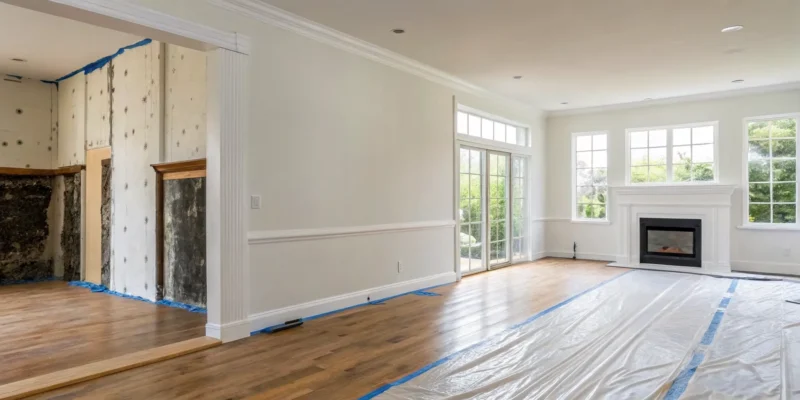
To prevent mold spores from spreading to unaffected parts of your home during cleanup, professionals set up a containment zone. This often involves using physical barriers like plastic sheeting and negative air pressure machines to isolate the contaminated area. Containment is crucial to stop the mold from spreading. Once the area is secured, the team begins removing the mold. They use special treatments and antimicrobial agents to clean surfaces. In cases of severe growth, they may need to remove and discard porous materials like drywall, insulation, or carpet that can’t be fully salvaged, which is a key part of any disaster restoration project.
Step 4: Clean, sanitize, and restore your property
After the mold is gone, the job isn’t finished. The final step is to clean, sanitize, and restore your property to its pre-damage condition. Professionals thoroughly clean all affected parts of your home, including floors, walls, furniture, and even your air ducts, to remove any lingering spores. They use fogging equipment and special cleaning agents to disinfect surfaces and get rid of musty odors. Finally, the team handles any necessary repairs or reconstruction, like replacing drywall, painting, or installing new carpet. The goal is to make it look like the damage never even happened, leaving you with a clean, safe, and healthy home.
DIY vs. Pro: When to Handle Mold Yourself
When you find mold in your home, your first instinct might be to grab a bottle of cleaner and scrub it away yourself. It’s a tempting thought, especially if the spot looks small. While a can-do attitude is great, tackling mold isn’t always a simple DIY project. The decision to clean it yourself or call a professional really comes down to safety and effectiveness. The key is to understand the difference between a small surface issue and a deeper problem that requires expert attention.
A tiny patch of mold on your shower tile is very different from a large colony spreading across drywall after a leak. The size of the affected area, the type of material it’s growing on, and the source of the moisture all play a huge role in determining the right course of action. Handling it incorrectly can not only fail to solve the problem but also spread mold spores to other parts of your home, creating an even bigger headache. Before you start scrubbing, let’s walk through when it’s safe to DIY and when it’s time to call for professional mold removal.
When is DIY mold removal safe?
You can likely handle mold removal yourself if the problem is very small and contained. Think of a few spots on a non-porous surface, like glazed bathroom tiles, a metal sink, or a glass window pane. Generally, if the affected area is less than 10 square feet (roughly a 3-foot by 3-foot patch) and isn’t caused by a major water issue, a DIY approach might be appropriate.
However, the type of material is critical. If you see mold on porous surfaces like drywall, carpet, ceiling tiles, or wood, it’s a different story. These materials allow mold to grow deep roots that you can’t see or reach with surface cleaning, making professional help necessary to fully eliminate the problem.
Common DIY mold removal mistakes
One of the most common mistakes homeowners make is reaching for bleach. While bleach can kill surface mold, it’s not effective on porous materials like wood or drywall. The water component of bleach soaks into the material, leaving the chlorine on the surface and potentially feeding the mold’s underlying root system. This can make the problem worse over time.
Another misstep is underestimating the issue. Simply painting over a mold stain or ignoring a musty smell won’t make it go away. Mold is a living organism that will continue to grow as long as it has moisture. Ignoring it can lead to significant property damage and compromise your home’s air quality, turning a small issue into a major disaster restoration project.
The right products for small mold spots
If you’ve confirmed the mold is on a hard, non-porous surface and the area is small, you can use some common household products. A simple solution of soap or detergent and water is often enough to clean these surfaces effectively. Scrub the area with a brush, then dry it completely to prevent the mold from returning.
For a slightly stronger option, you can use a solution of equal parts white vinegar and water. Spray it on the surface, let it sit for about an hour, and then wipe it clean. The most important step in any DIY cleanup is to ensure the area is thoroughly dried afterward, as lingering moisture is an open invitation for mold to grow back.
Signs you need to call a professional
It’s time to call a professional if you notice any of these red flags. If the mold covers an area larger than 10 square feet, it’s too extensive for a DIY job. You should also call for help if you smell a strong, musty odor but can’t see the source, as this often points to hidden mold behind walls or under floors.
If the mold growth is the result of a major leak, flood, or sewage backup, you need an expert. These situations create widespread moisture that requires professional equipment to dry out completely. Finally, if anyone in your household is experiencing unexplained allergies, headaches, or respiratory issues, it’s best to let a certified team handle the inspection and removal to ensure your home is safe and healthy.
Will Insurance Cover Mold Repair?
Finding mold after water damage is stressful enough, but then comes the big question: who pays for it? The answer, unfortunately, isn’t a simple yes or no. Whether your homeowners insurance will cover mold removal often depends on what caused the mold in the first place. Insurance policies are very specific about the types of water damage they cover, and that directly impacts your mold claim.
Think of it this way: insurance is designed to protect you from sudden and accidental events. If the source of the water that led to the mold fits that description, you have a good chance of being covered. However, if the problem stems from a long-term issue or lack of maintenance, you’ll likely have to pay for the repairs out of pocket. Let’s break down what that means for you.
What your policy might cover
Most standard homeowners insurance policies will cover mold repair if the mold was caused by a “covered peril.” This is insurance-speak for a sudden and accidental event that your policy already covers. For example, if a pipe bursts and floods your laundry room, your policy will likely cover the initial water damage restoration and any resulting mold growth.
Other examples of covered events include a water heater suddenly failing, an overflowing washing machine, or water damage from extinguishing a fire. The key is that the event was unexpected and not something you could have prevented through routine upkeep. In these situations, your insurance company sees the mold as part of the damage from the original incident.
Common mold-related exclusions
On the flip side, insurance policies almost always exclude mold that grows because of neglect or poor maintenance. If you have a slow leak under your sink that you’ve known about for months, your insurer will likely deny the claim. They expect homeowners to perform regular maintenance to prevent such issues.
Coverage is also typically denied for mold caused by high humidity, condensation on windows, or water seeping in through a home’s foundation. These are considered maintenance issues. It’s also important to know that damage from a natural flood (like a river overflowing) is not covered by standard homeowners insurance. You would need a separate flood insurance policy for that kind of event.
How to file your insurance claim
If you believe your mold issue is from a covered event, it’s important to act quickly and methodically. First, document everything. Take clear photos and videos of the mold and the source of the water damage before you move or clean anything. This evidence is crucial for your claim. Next, do what you can to stop the source of the water if it’s safe to do so.
Once you’ve documented the damage, review your policy and contact your insurance agent immediately. The sooner you report the issue, the better. When you speak with them, take detailed notes of the conversation, including the date, time, and your claim number. Your agent will guide you through the next steps and send an adjuster to assess the damage.
Why work with a company that handles insurance
Trying to understand your policy while dealing with a damaged home can be incredibly overwhelming. This is where a professional restoration company can be a huge help. Companies like 911 Restoration of Bakersfield work with insurance providers every day. We understand the kind of documentation and evidence they need to process a claim for disaster restoration.
When you hire a team that offers direct insurance support, you get an expert on your side. We can communicate directly with your insurance adjuster, provide detailed reports, and help ensure your claim is handled fairly and efficiently. It takes the pressure off you, so you can focus on getting your home and your life back to normal.
How to Choose a Mold Remediation Company
Finding the right team to handle mold in your home can feel overwhelming, but you don’t have to make the decision in the dark. The best companies make the process clear and give you confidence from the very first call. When you’re vetting potential partners, focus on a few key areas: their qualifications, their response time, how they handle costs, and how they communicate. Asking the right questions upfront ensures you’re putting your property in capable hands and sets the stage for a smooth, stress-free restoration.
Look for IICRC certification and experience
When you’re dealing with something as serious as mold, you want a team that knows exactly what they’re doing. That’s where IICRC certification comes in. The Institute of Inspection, Cleaning and Restoration Certification is the industry’s gold standard. A certified technician has the proper training and experience to handle mold safely and effectively, from containment to removal. An experienced, certified team understands the science behind mold growth and follows proven protocols to protect your home and your family’s health. Don’t hesitate to ask a company for their credentials; a reputable professional will be proud to share them.
Prioritize a fast, 24/7 response
Mold waits for no one. After a water incident, it can begin to grow in as little as 24 to 48 hours. A company that offers a 24/7 emergency response understands this urgency. The sooner professionals can start the water extraction and drying process, the better their chances of preventing a minor mold issue from becoming a major infestation. Look for a team that can get to you quickly, like within an hour. A rapid response not only stops mold in its tracks but also minimizes the overall water damage to your property’s structure and belongings, saving you time, money, and stress.
Ask about pricing and insurance support
Figuring out payment is a major part of the process. Before work begins, ask for a clear, detailed estimate. While it can be tricky to know the full scope of work before inspection, a professional company should be able to explain their pricing structure. It’s also smart to ask about insurance. Your homeowner’s insurance might cover mold removal if it’s the result of a covered peril, like a burst pipe. Choosing a company that offers direct insurance billing and helps you with your claim can be a huge relief. They can document the damage correctly and communicate with your adjuster, making a complicated process much simpler for you.
Insist on clear communication
You should never feel left in the dark about what’s happening in your own home. A trustworthy mold remediation company will prioritize clear, consistent communication from start to finish. They should walk you through their plan, explain why each step is necessary, and be available to answer your questions along the way. This is especially important for creating a positive experience and reducing homeowner stress. If you live in a multilingual community, finding a team that offers bilingual services can also ensure nothing gets lost in translation. Clear communication is a sign of respect and professionalism, and it’s something you absolutely deserve.
Preventing Mold After a Water Incident
After you’ve dealt with a flood, burst pipe, or even a minor leak, the work isn’t over. Taking the right steps immediately after a water incident is the best way to stop mold before it has a chance to start. Here’s what you need to focus on to protect your property and your health.
Why you need to act within 48 hours
When it comes to water damage, the clock starts ticking immediately. Mold can begin to grow within just 24 to 48 hours of a water incident, feeding on the moisture and common household materials like drywall, wood, and carpet. This rapid growth doesn’t just cause that musty smell; it can damage your home’s structure and create potential health risks for your family. Acting fast is your most effective defense. The sooner you begin the drying process, the better your chances are of preventing a small water issue from turning into a major mold problem. That’s why a rapid water damage restoration response is so critical.
Keep it dry: ventilation and humidity tips
Your main goal after a water event is to get everything dry as fast as possible. Start by stopping the source of the water, whether it’s a leaky pipe or a faulty appliance. Open up windows and use fans to get air circulating throughout the affected space. If you have one, a dehumidifier is your best friend for pulling excess moisture out of the air, especially in enclosed areas like basements or closets. On a larger scale, make sure your home’s gutters and downspouts are clear and directing water away from the foundation. These simple steps can make a huge difference in preventing mold growth and keeping your home’s humidity levels in check.
Know what to toss and what to keep
It can be tough to part with personal belongings, but some items simply can’t be saved after significant water damage. Mold can grow on almost any organic surface, and porous materials are especially vulnerable. Items like carpet, upholstered furniture, mattresses, and drywall often absorb too much water to be dried out completely and should usually be discarded. Non-porous items like glass, metal, and hard plastics can typically be cleaned and sanitized. When you’re not sure if something can be saved, it’s often safer to let it go. A professional team can help you assess what’s salvageable as part of a complete disaster restoration plan.
The importance of a follow-up inspection
Even after you’ve cleaned and dried the area, how can you be sure you got everything? Mold is sneaky and can hide inside walls, under flooring, or in other unseen places. A follow-up inspection by a certified professional gives you peace of mind that the job was done right and no hidden moisture or mold remains. An expert can use specialized tools to detect moisture that isn’t visible to the naked eye. This final check ensures your home is truly safe and clean, confirming that the professional mold removal was successful and protecting you from future problems down the road.
Related Articles
- How to Prevent Mold After Water Damage
- Mold Remediation: What Homeowners Need to Know
- Does Homeowners Insurance Cover Mold?
- Signs You Need Professional Mold Removal
- DIY Mold Removal: When to Call a Professional
Frequently Asked Questions
Can I just use bleach to clean up mold? That’s a common myth, but bleach is not the best solution for most mold problems. While it might kill surface mold on non-porous materials like tile or glass, it’s ineffective on porous surfaces like drywall or wood. The water in the bleach can soak into the material, feeding the mold’s roots and potentially making the problem worse over time. Professional remediation uses specialized antimicrobial agents that eliminate mold at its source without this risk.
What if I smell a musty odor but can’t find any mold? Trust your nose. A persistent musty or earthy smell is one of the most reliable signs of hidden mold. Even if you can’t see any growth, it could be flourishing behind walls, under carpets, above ceiling tiles, or within your HVAC system. This is a situation where you should call for a professional inspection. Certified technicians have tools to detect hidden moisture and pinpoint the source of the problem.
How long does the professional mold removal process usually take? The timeline really depends on the size of the affected area and the extent of the water damage. A small, contained issue might only take a few days to resolve. However, a larger project that involves significant drying and reconstruction could take a week or more. The process includes drying the area, containing the mold, removing contaminated materials, cleaning and sanitizing, and finally, restoring your property.
Is a tiny bit of mold really that big of a deal? A small spot of mold might not seem like an emergency, but it’s a clear sign of a moisture problem that needs to be addressed. Mold can spread surprisingly fast, and what looks like a tiny spot on the surface could be the tip of a much larger colony growing within your walls. Ignoring it allows the problem to grow, leading to more extensive property damage and potential health concerns down the road.
My insurance said they don’t cover mold. Am I out of luck? Not necessarily. While most standard policies have limits or exclusions for mold, they often make an exception if the mold was caused by a sudden and accidental event that is covered, like a burst pipe. The key is proving the source of the mold. A professional restoration company can help document the damage and communicate directly with your insurance provider to determine if your specific situation qualifies for coverage.
